Therapy for Children
Play Therapy
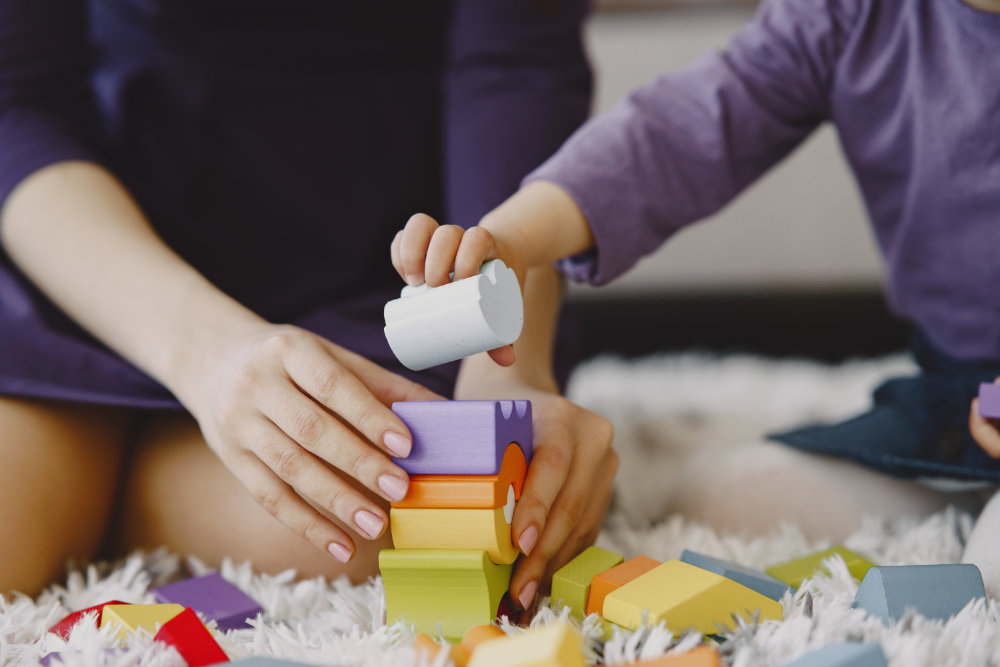
Children do not always have the words to explain what they are feeling. A four-year-old who is anxious about a new sibling may not say, “I feel replaced.” A seven-year-old dealing with conflict at home may not be able to articulate the weight of it. But give them a sandtray, a set of figurines, or a drawing pad, and they will show you.
Play therapy at Sean Neveling Educational Psychologist is a therapeutic approach designed for children between the ages of 4 and 12. It uses play as the primary medium of communication, allowing children to process emotions, work through difficulties and develop coping strategies in a way that feels safe and natural.
What Is Play Therapy?
Play therapy is a recognised form of psychotherapy that uses play to help children express themselves, make sense of their experiences and work through emotional or behavioural challenges. For children, play is not a distraction from real work. It is the real work. Through structured and unstructured play activities, a therapist is able to observe themes, patterns and emotional responses that a child may not yet be able to put into words.
The approach is grounded in the understanding that children process the world differently from adults. Language-based therapy often falls short for younger children, not because they do not have rich inner lives, but because the vocabulary is not yet there. Play bridges that gap.
When Might a Child Benefit From Play Therapy?
Play therapy may be helpful when a child is experiencing emotional, behavioural or social difficulties that are affecting their daily life. Some of the more common reasons parents seek play therapy include:
- Anxiety or excessive worry
- Difficulty managing anger or frustration
- Withdrawal from peers or family members
- Behavioural changes following a significant life event such as a divorce or bereavement
- Difficulty adjusting to school
- Struggles with self-esteem or confidence
It is also worth noting that play therapy is not only for children in crisis. Sometimes a child simply needs a space to process something that they cannot talk about at home or at school.
What Does a Play Therapy Session Look Like?
Sessions typically take place in a dedicated therapy space that is equipped with a range of carefully selected materials. These may include sandtrays, figurines, art supplies, puppets and other tools that invite expression. The therapist does not direct the play. Instead, the child leads, and the therapist follows, observing and gently facilitating the process.
Sessions usually last around 45 to 50 minutes, and the number of sessions required depends on the child and the nature of their difficulties. An initial consultation with the parents is always conducted first, to gather context and discuss what has prompted the referral.
What Role Do Parents Play?
Parents are an important part of the therapeutic process. While they are not present in the therapy room during sessions, regular feedback is provided to ensure that parents understand the themes emerging from the work and can support their child at home. The therapist may also offer guidance on how to respond to particular behaviours or emotional responses between sessions.
Book a Play Therapy Session